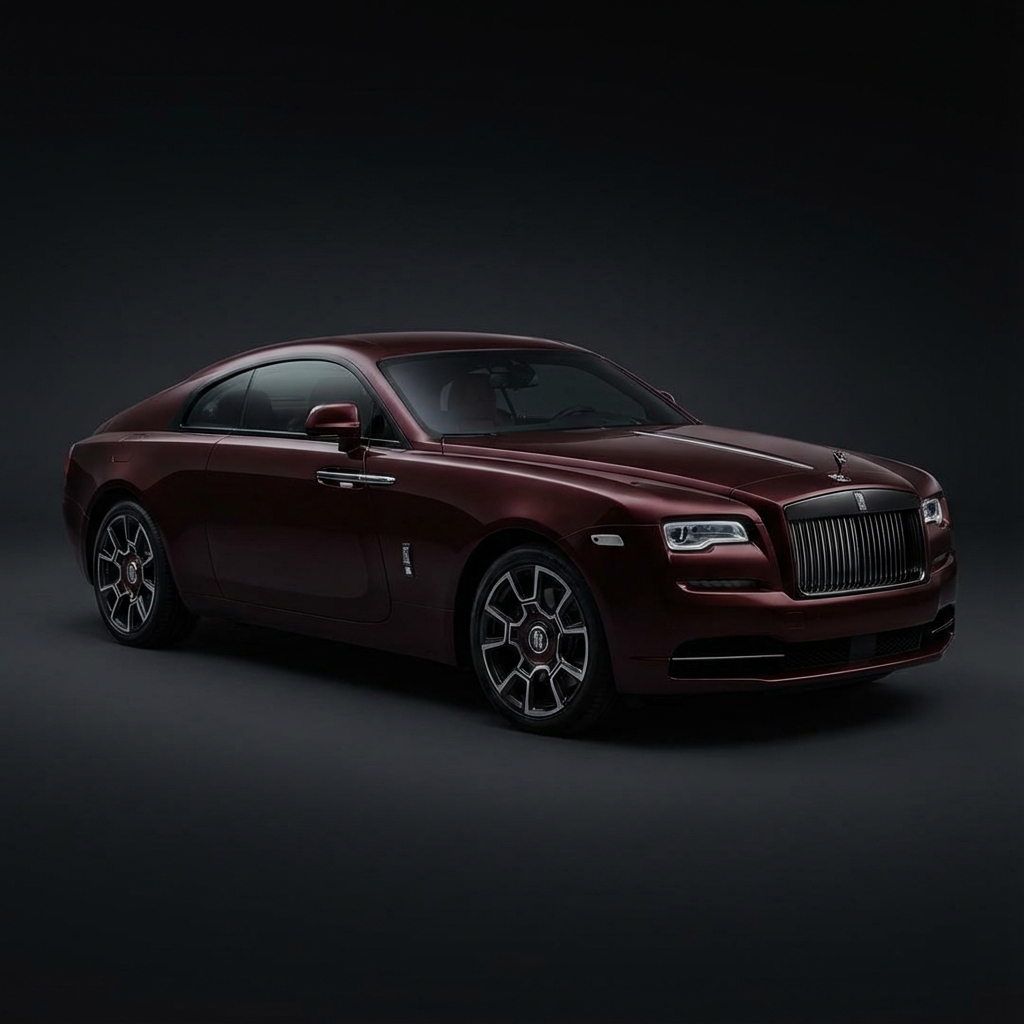
Specialist Rolls-Royce finance, arranged through a panel of specialist lenders for deals of any size. We work across the full Rolls-Royce range, from current model-year cars to limited-build halo models and classics.
Typical Rolls-Royce list prices range from £280k to £5m+
Rolls-Royce finance is specialist car finance arranged against a Rolls-Royce Motor Cars vehicle, placed by Hypercar Finance through a panel of specialist lenders. The Wraith trades from £245,000, the Ghost lists from £275,000, the Cullinan from £300,000, the Spectre from £330,000 and the Phantom from £420,000, so every Goodwood car is a substantial finance proposition.
The Rolls-Royce finance deals we arrange run across that range, into the Coachbuild commissions above it, and back through the classic market to the Silver Ghost, the Silver Cloud and the Silver Shadow. Each of our four Rolls-Royce product pages carries a payment deck computed at render time, so the numbers follow your deposit and term.
Hypercar Finance is an independent credit broker and is not authorised or regulated by the Financial Conduct Authority. We do not arrange regulated consumer credit. Every agreement here is unregulated commercial finance for a business, a family office, a company director or a high net worth buyer.
What a Rolls-Royce costs to finance
What a Rolls-Royce costs to fund is decided by the price, the deposit, the term and the balloon deferred to the end. On a Ghost at £275,000, a 20 per cent deposit with a 45 per cent balloon leaves roughly a third of the car to amortise across the term; remove the balloon and the whole balance amortises. That decision moves the figure further than any realistic movement in rate.
Bespoke commissioning is the second lever and it is larger here than anywhere. A Starlight headliner, a hand-painted coachline and a full Bespoke option list can add a great deal to the invoice without adding the same amount to the resale figure, so a lender will often fund against a considered valuation rather than the order form. We flag where that line falls before the commission is placed.
Deposits run 20 to 35 per cent, terms 36 to 60 months, and our indicative band is 8.9 to 9.9 per cent. We compute payment figures rather than print them: the calculator on this page runs your own numbers against any Rolls-Royce price, and the hire purchase, lease purchase, PCP and equity release pages each carry a computed deck.
Rolls-Royce finance deals and the structures behind them
Four structures cover the Rolls-Royce finance deals we place. Hire purchase spreads the full balance with no balloon and passes title with the final payment, which suits a director or a family office that wants the motor car held unencumbered at a defined date.
Lease purchase defers an agreed sum to a final balloon pegged to the projected residual, and it is the structure we write most often on a Ghost, a Cullinan and a Phantom. The Cullinan in particular has held its position well enough that lenders will support a meaningful deferred figure.
Personal contract purchase fixes a Guaranteed Minimum Future Value at the outset, so the lender carries the residual forecast. It suits the current Ghost and Cullinan, where volumes give enough comparable data for a firm number, and it is the structure Rolls-Royce Financial Services leads with through the dealer.
Equity release refinances a Rolls-Royce already owned, releasing the difference between an agreed valuation and any outstanding balance as cash. It is the structure that does the most work at the top of the market: a Sweptail, a Boat Tail or a Droptail is a hand-built object with a valuation and no list price, and equity release is the only sensible way to draw capital from one without selling it. Our finance guides compare all four in full.
The Rolls-Royce models we fund, from Ghost to Coachbuild
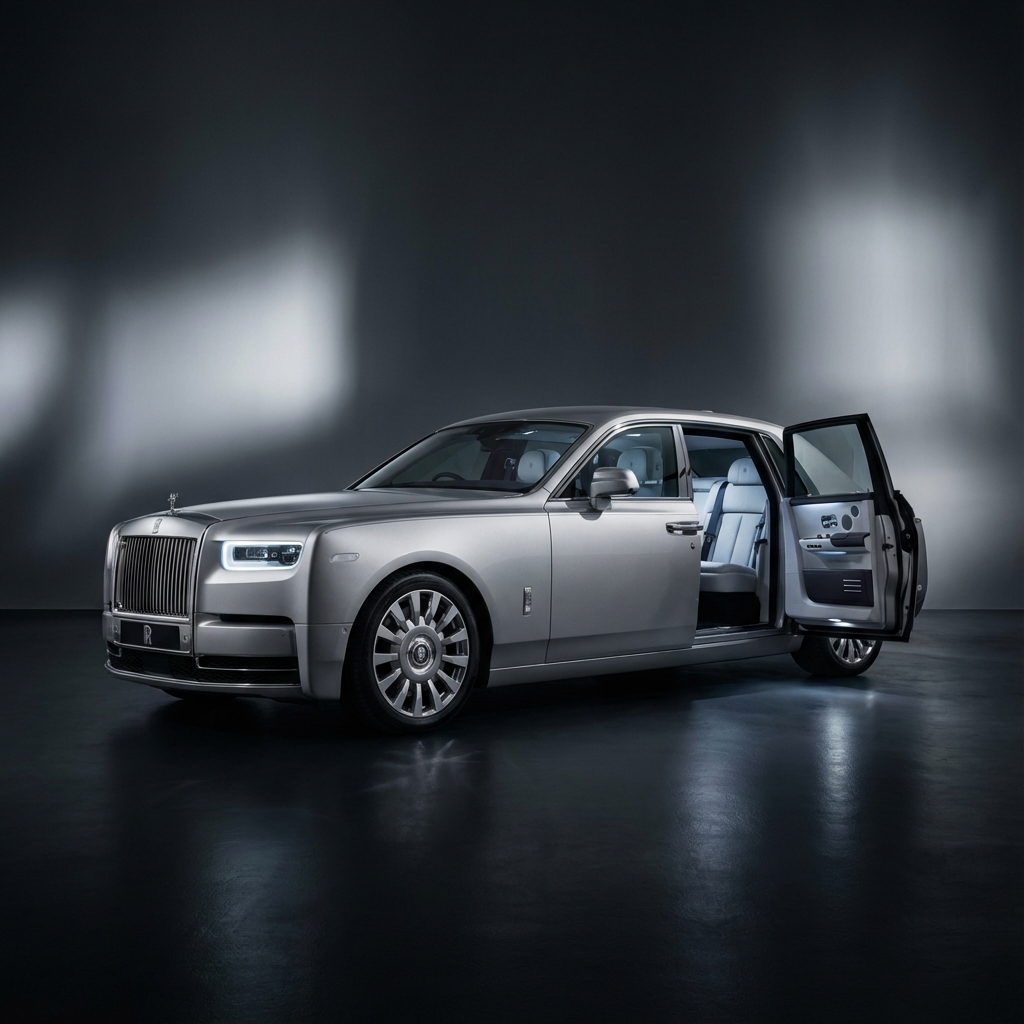
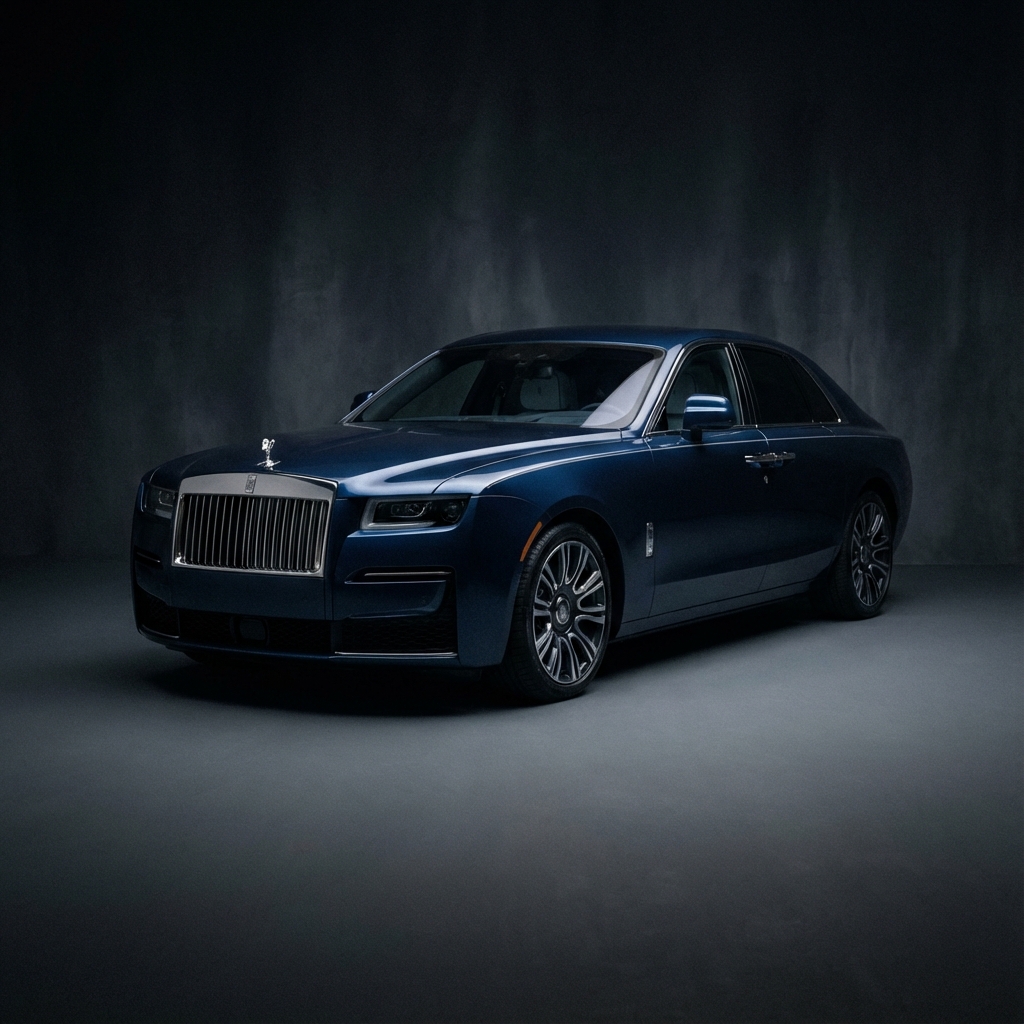
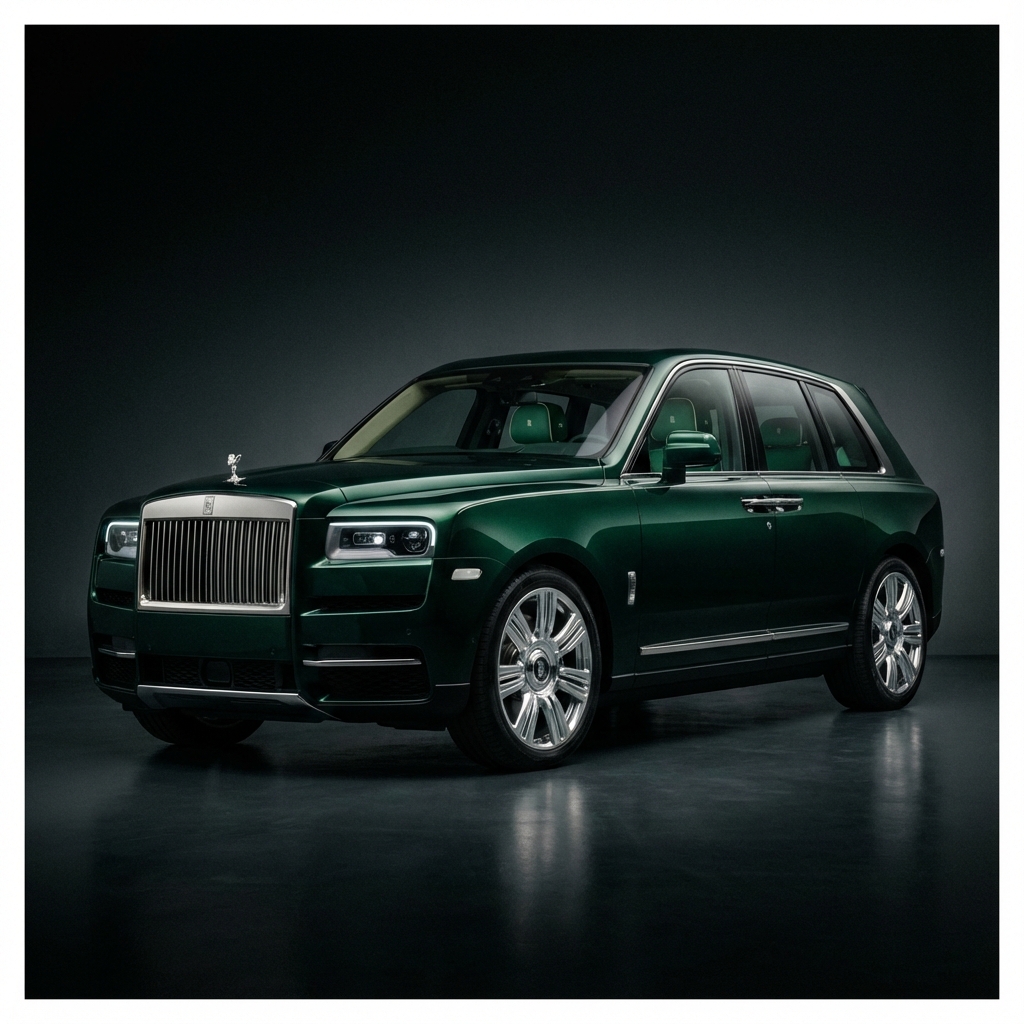
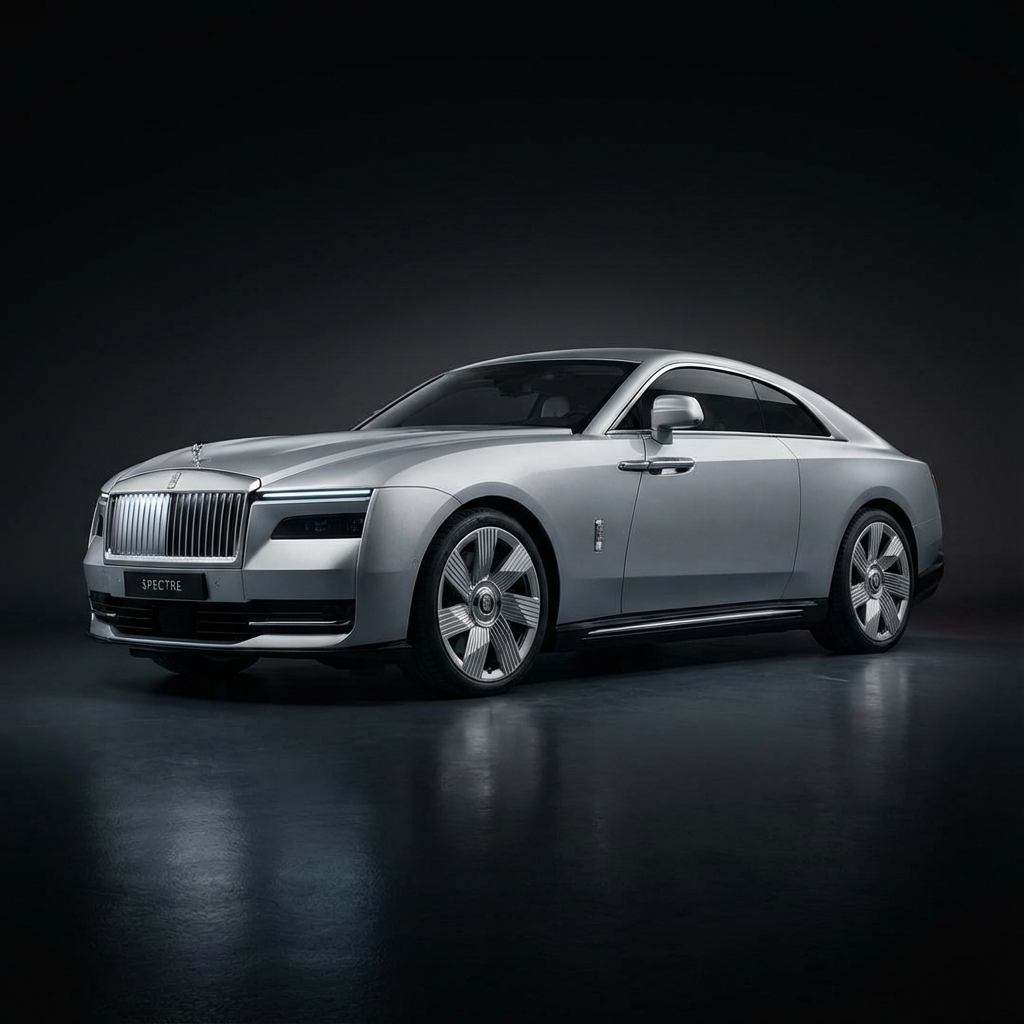
The Ghost is the driver-focused saloon at £275,000, on the Planar Suspension System and the aluminium Architecture of Luxury. The Phantom is the flagship at £420,000, with the Extended Wheelbase and Black Badge cars above it. The Cullinan is the SUV at £300,000 and the model most often funded through a business. The Spectre, the marque's first fully electric car, lists at £330,000.
The Wraith closed in 2023 and now trades as a defined-supply used car from £245,000, alongside the Dawn convertible. Both are stronger positions for a lender than open stock, because the production run is finished and the market is settled rather than still being priced.
Above the catalogue sits Coachbuild. The Sweptail, the three Boat Tail commissions and the four Droptail cars are one-of-one motor cars valued individually, and finance against them is arranged on a valuation and a provenance file rather than a price list. Behind the modern range, the classic market runs from the Silver Ghost through Phantom I to VI, the Silver Cloud, the Silver Shadow, the Corniche, the Camargue and the Silver Spirit, all of which fund.
Goodwood residuals and what a lender will lend against
Rolls-Royce Motor Cars has built at Goodwood in West Sussex since 2003 as a wholly owned subsidiary of the BMW Group, and the residual picture divides between the catalogue cars and everything above them. The Ghost, Cullinan and Phantom have deep enough transaction data for a lender to price a balloon confidently. A Coachbuild commission has no comparable at all, so the lender values the individual car.
Market history is worth knowing before agreeing a deferred figure. Silver Cloud and early Phantom values traded softly through the 1980s and have firmed considerably since, while the Silver Shadow remains the accessible entry to the pre-war and post-war market and has stayed broadly flat. Both are history rather than forecasts, and both shape what a lender will support.
What lifts loan to value is documentary. Main dealer or specialist service history, the original commissioning record, matching numbers on an older car, genuine mileage and a clean provenance check all move the number. On a chauffeur-driven Ghost or Phantom, a recorded mileage history and a documented interior condition matter more than usual.
Commissioning new, buying used, or bidding at auction
Commissioning a new car through a Rolls-Royce dealer is the simplest route. There is an order, a build slot and an invoice, and the lender pays the dealer directly at handover. Because a commission can run many months, we agree the facility in principle at order and firm it up as the build completes, so nothing is left to the last fortnight.
Buying used from a dealer or in a private sale works the same way with a shorter timetable. A private sale is usually cheaper and always slower, because the lender verifies title, confirms nothing is outstanding against the car and checks the V5C before releasing funds. We start that the day a price is agreed.
Auction carries most of the classic market. You are committed at the fall of the hammer and the balance plus the buyer's premium is normally due inside seven days, so the facility has to be agreed before the sale. We confirm in writing whether the lender funds the hammer price or the all-in figure, which is the single most common cause of a bidder running out of room.
Rolls-Royce finance questions owners ask
Can you get a Rolls-Royce on finance? Yes. We arrange car finance on new, used, classic and Coachbuild Rolls-Royce cars through a panel of specialist lenders, usually with a decision inside 48 hours. On a Coachbuild commission the process is longer, because the valuation work is bespoke.
How much is a Rolls-Royce in the United Kingdom? Current list prices start at £275,000 for a Ghost, £300,000 for a Cullinan, £330,000 for a Spectre and £420,000 for a Phantom, and a Bespoke commission can add a substantial sum on top. The classic market runs independently of the new-car list, and a pre-war Phantom or an early Silver Ghost is valued on provenance rather than on age.
Does Rolls-Royce offer its own finance? Yes, through Rolls-Royce Financial Services alongside the dealer on current cars. We are the independent alternative, and the gap is widest on used, classic and Coachbuild cars, and on any car being refinanced rather than bought.
What is the 50 per cent rule for car finance? It is voluntary termination under the Consumer Credit Act and applies only to regulated consumer agreements. Everything we arrange is unregulated commercial finance, so it does not apply, and early settlement terms are agreed with the lender at the outset.